16.11.2026
What does an event technician do?
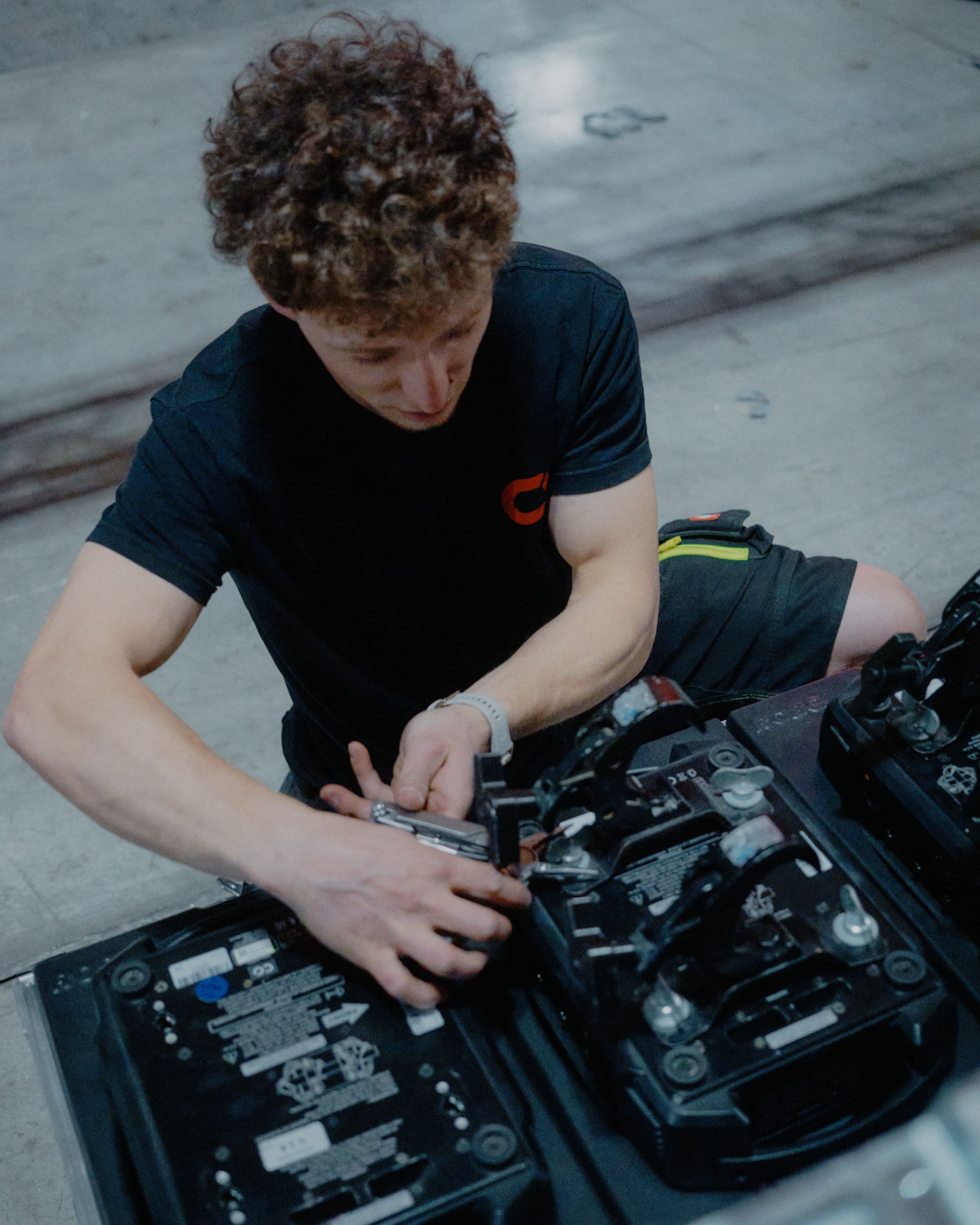
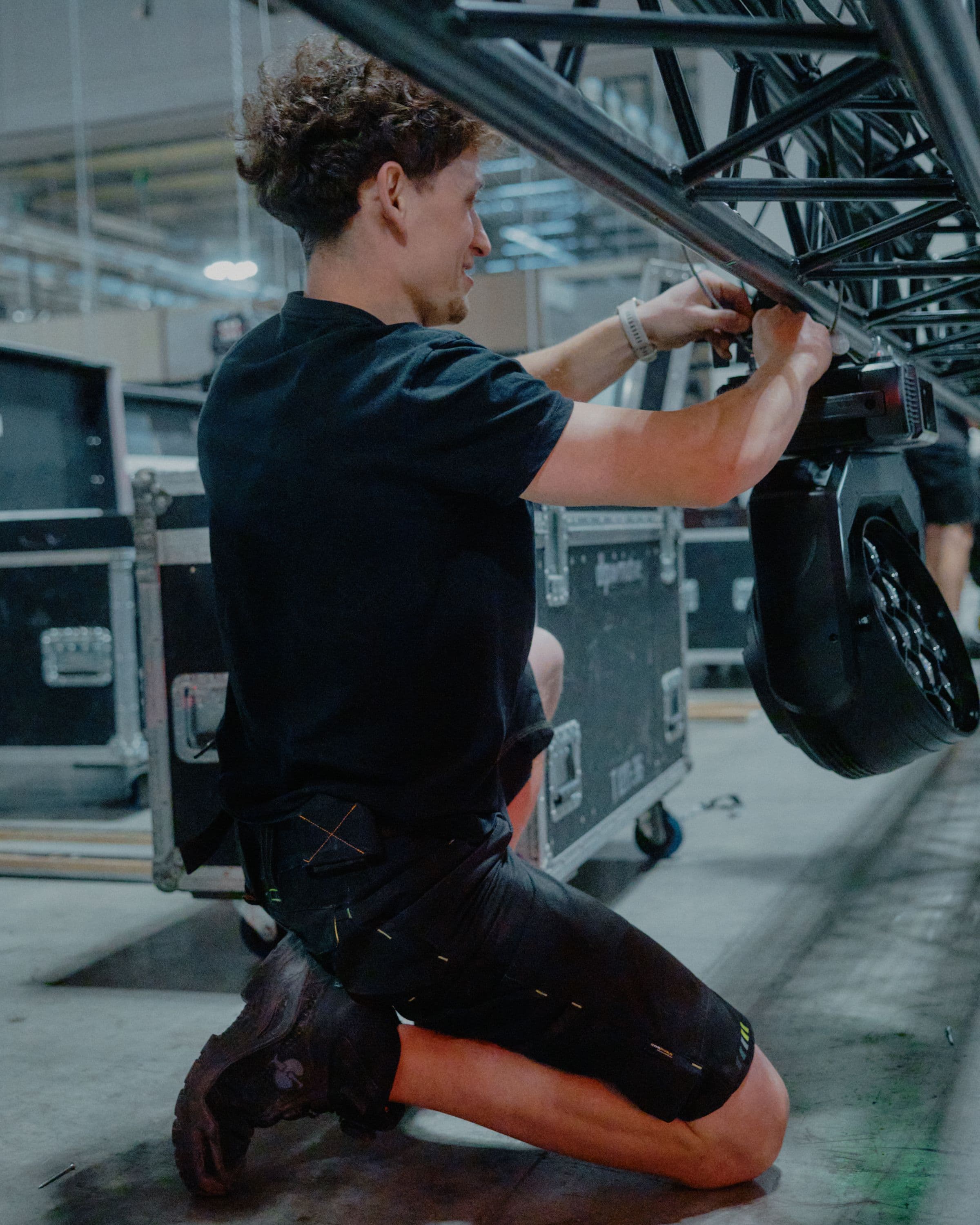
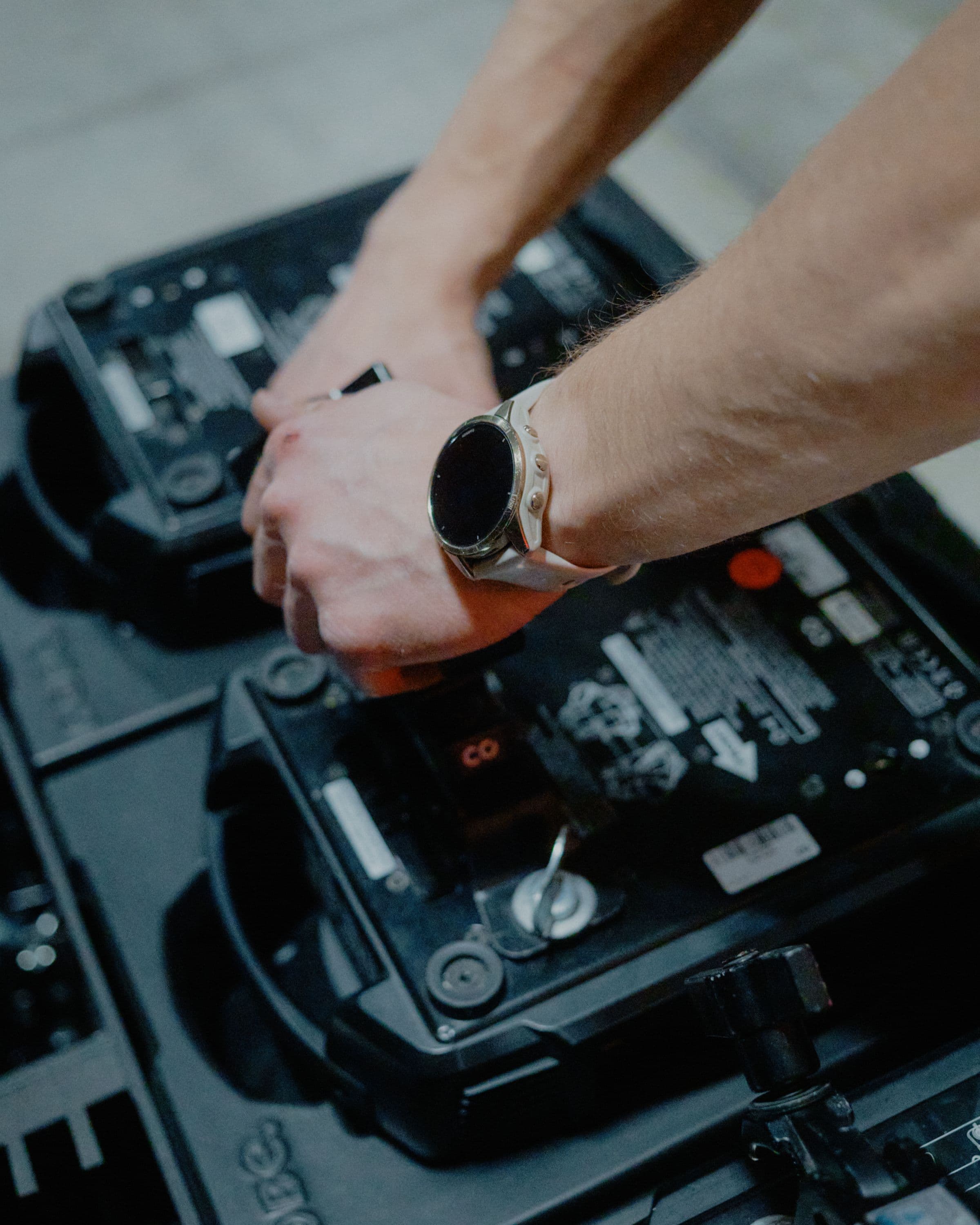
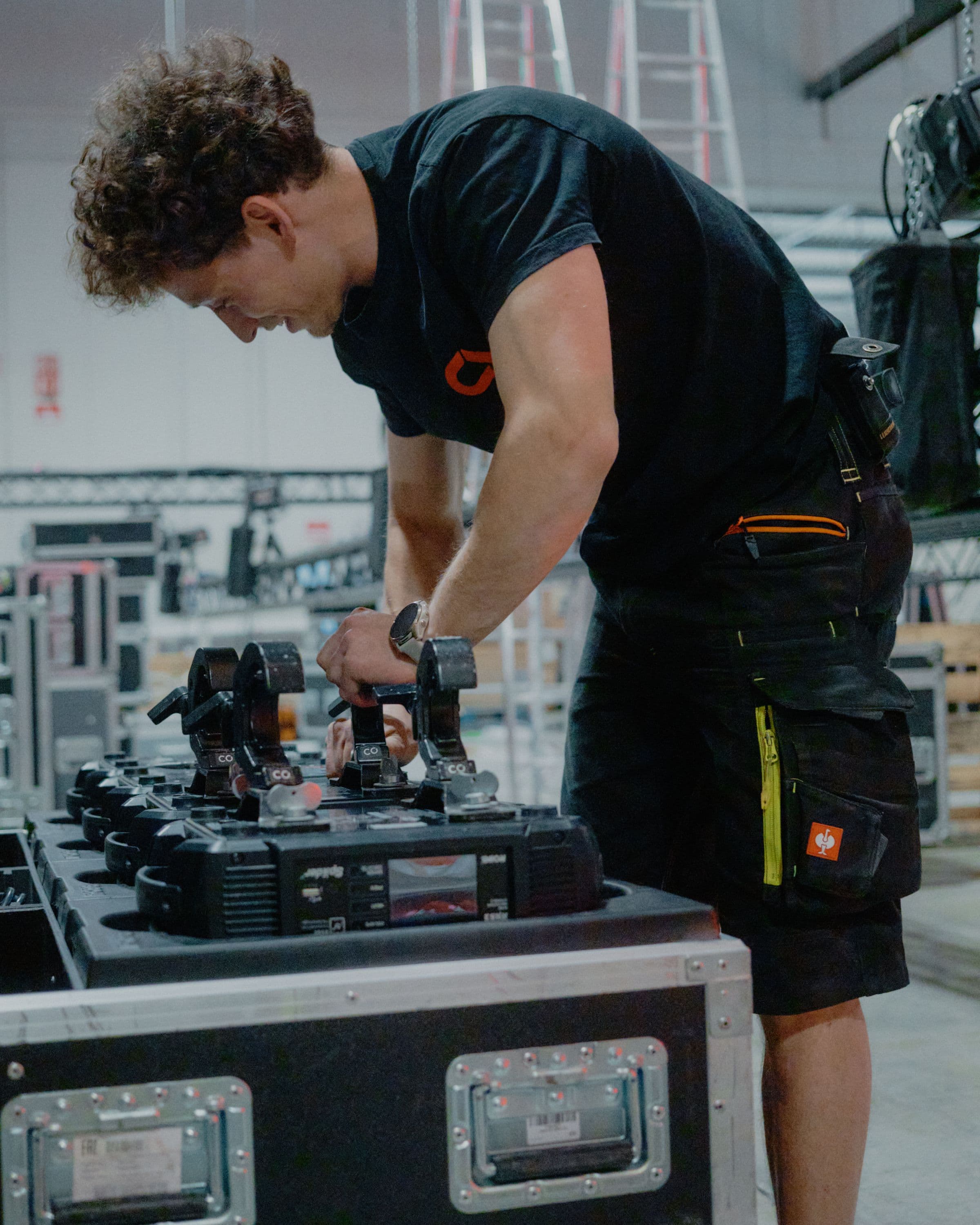
An open flight case on a concrete floor, a row of moving heads inside. The technician bolts a clamp onto each one, then hangs the fixtures under the truss. Before the first artist walks on stage, that light still has to be patched, programmed and tested together with sound and video.
In short: an event technician is responsible for sound, lighting and video at a live event. They rig and power up the PA, lighting and media systems, tune the equipment to the venue and operate it live during the show. Most specialise in one area, some cover several. The usual way in is working as a stagehand and completing training.
IMBAstaff is a Polish company that has supplied technical event crews to concerts, festivals, trade fairs and corporate events since 2008. We work across Poland, Europe, the USA and the Middle East, and technicians are one of the pillars of our event technical support.
What an event technician does on a production
An event technician handles the technical side of an event across three areas: sound, lighting and media. Depending on the project and their experience, they stick to one specialisation or combine several.
The job has two phases. Before the event, they build and connect the equipment, then tune it to the specific venue. During the event, they run it live.
| Specialisation | Before the show | During the show |
|---|---|---|
| Sound | PA, monitors, cabling, tuning to the room | front-of-house mix and stage monitor mix |
| Lighting | rigging fixtures, power, control, programming cues | running the desk in sync with music and running order |
| Media and LED | LED walls, video processors, content playback | vision, broadcast signal, keeping picture in sync with sound and light |
Sound, lighting and video: three event technician specialisations
Sound technician: PA and monitors
The sound technician builds the PA system: speaker arrays, artist monitors and all the cabling. They tune the sound to the acoustics of the room. During the show they mix for the audience and run the monitor mix for the stage. Whether the sound carries cleanly and evenly across the whole crowd is down to them.
Lighting technician: fixtures, desk and cues
The lighting technician rigs the fixtures, connects power and control, then programmes the lighting cues. During the event they run the lights from the desk and sync them with the music and the running order. Well-placed light sets the mood and pulls the audience's eye to wherever the action is.
Media technician: LED walls and broadcast picture
The media technician builds LED walls and configures video processors and content playback. They run vision and make sure the picture stays in sync with sound and light. On productions with a live stream or broadcast, they also look after the signal that reaches viewers at home.
Load-in, rehearsals and working with the rest of the crew
During load-in and rehearsals, technicians bring sound, light and video together into one system. They connect the gear, power up the systems and test them together before the first artist walks on stage.
A technician never works alone. On a production they work side by side with riggers, operators, stagehands and the crew lead. On a full technical support job they are on site from the first day of load-in until load-out after the event.
The split is clear. The rigger builds structures at height and is responsible for their safety. The technician looks after the equipment hanging from them.
Skills and qualifications of an event technician
A technician combines technical knowledge with hands-on production experience. They know the equipment, consoles and signals used to control sound, light and video. They find a fix fast when the schedule is tight and the venue does not match the drawings.
Qualifications depend on the specialisation:
- electrical qualifications - for working with power distribution,
- health and safety training - because part of the rigging happens at height, on truss and on aerial work platforms.
The rest comes from practice, project by project, working alongside more experienced members of the crew.
How much does an event technician earn?
Rates depend on specialisation, experience and the scale of the production. Technicians earn more than stagehands or operators, because they are responsible for the equipment the whole audience experience depends on. The rate grows with experience and specialisation.
Frequently asked questions
What does an event technician do?
They handle sound, lighting and media at an event. They rig and tune the equipment, then operate it live during the show.
What is the difference between a technician and a rigger?
A rigger builds structures at height and is responsible for their safety. A technician looks after the equipment hanging from those structures: sound, lighting and media.
What qualifications do you need to work as an event technician?
It depends on the specialisation. Electrical qualifications help when working with power, and health and safety training is needed for work at height. Much of the skill set is learned on the job.
How do you become an event technician?
Most people start as a stagehand. With experience and training, you can move up to technician in the specialisation you choose.
Do event technicians only work at concerts?
No. Technicians are needed wherever sound, light and video matter: concerts, festivals, trade fairs, galas and esports events.
Work as an event technician with our crew
We recruit sound, lighting and media technicians for concerts, festivals, trade fairs and esports events in Poland and abroad. Since 2008 our crew has worked 9,500+ events. Build your experience with us or take your specialisation further.


