19.06.2026
Case Study: Intel Extreme Masters Kraków 2026
Technical delivery of an international esports event
Client: ESL
Location: TAURON Arena Kraków
Event type: International Counter-Strike 2 (CS2) esports tournament
Scope: Technical crew and operational support
Team: Approximately 90 people
Project overview
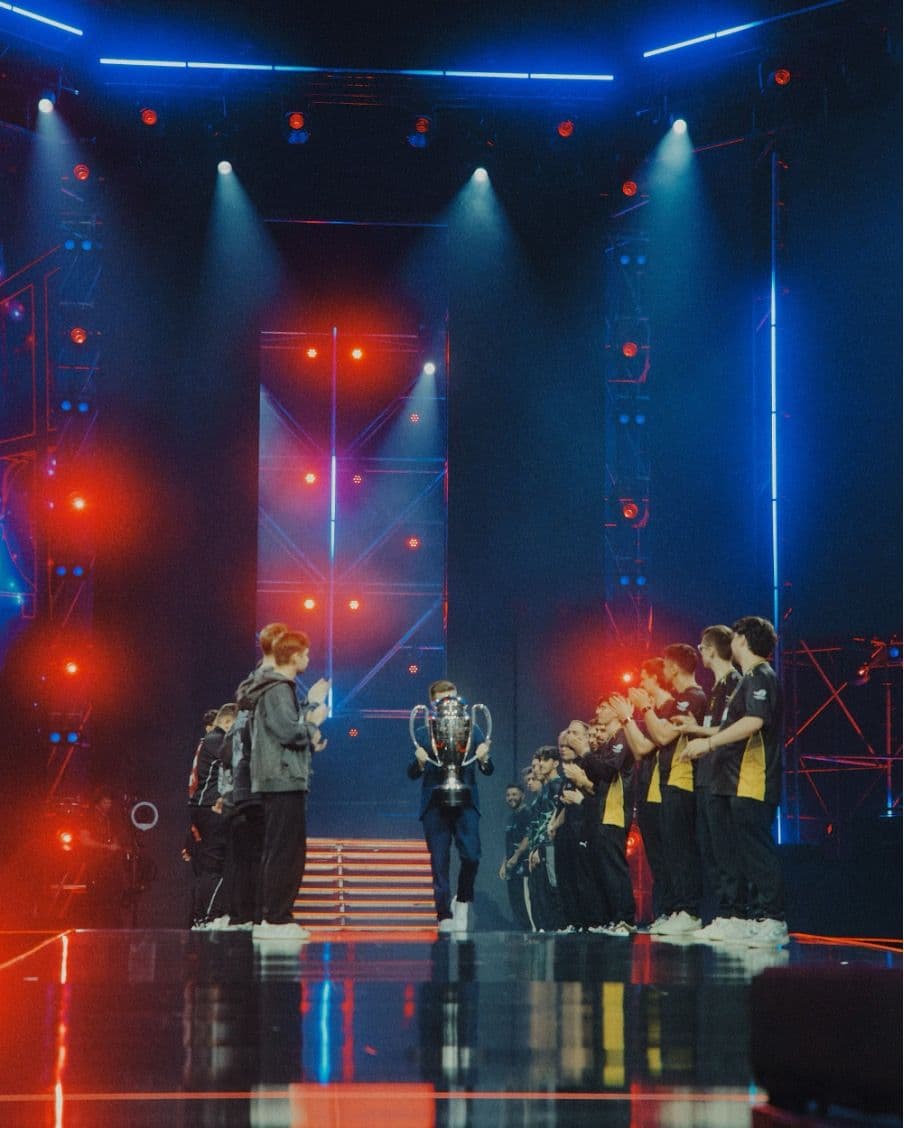
Intel Extreme Masters is one of the largest esports events in the world. The 2026 edition was moved from Katowice to Kraków, which meant a new venue, new logistics, and a completely different operational scale.
The larger arena created new production opportunities, but also required scaling the technical setup, coordinating a higher number of teams, and adapting the delivery process to a new environment.
The production took place in the largest indoor arena in Poland, with multiple technical vendors working simultaneously and under the pressure of a global live broadcast.
In esports, there is no time buffer. The broadcast starts at a fixed time.
Our role
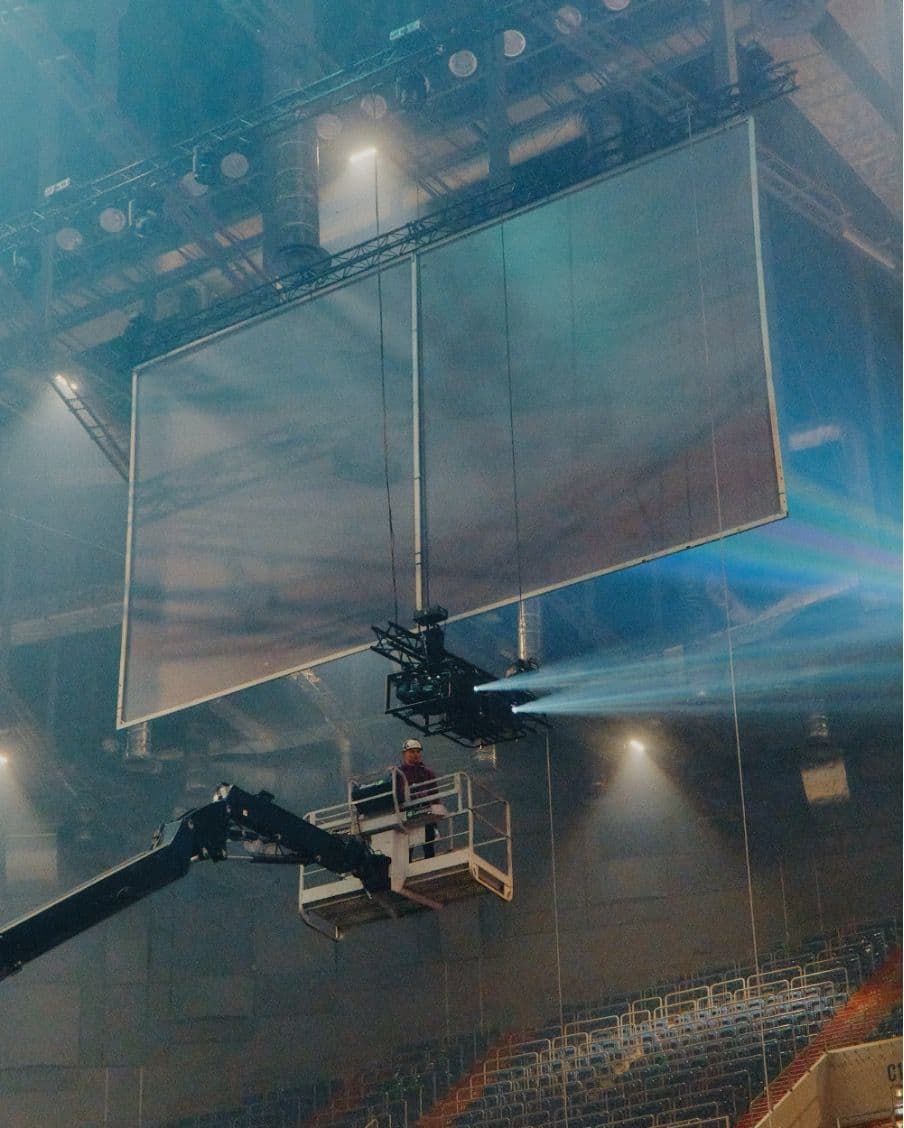
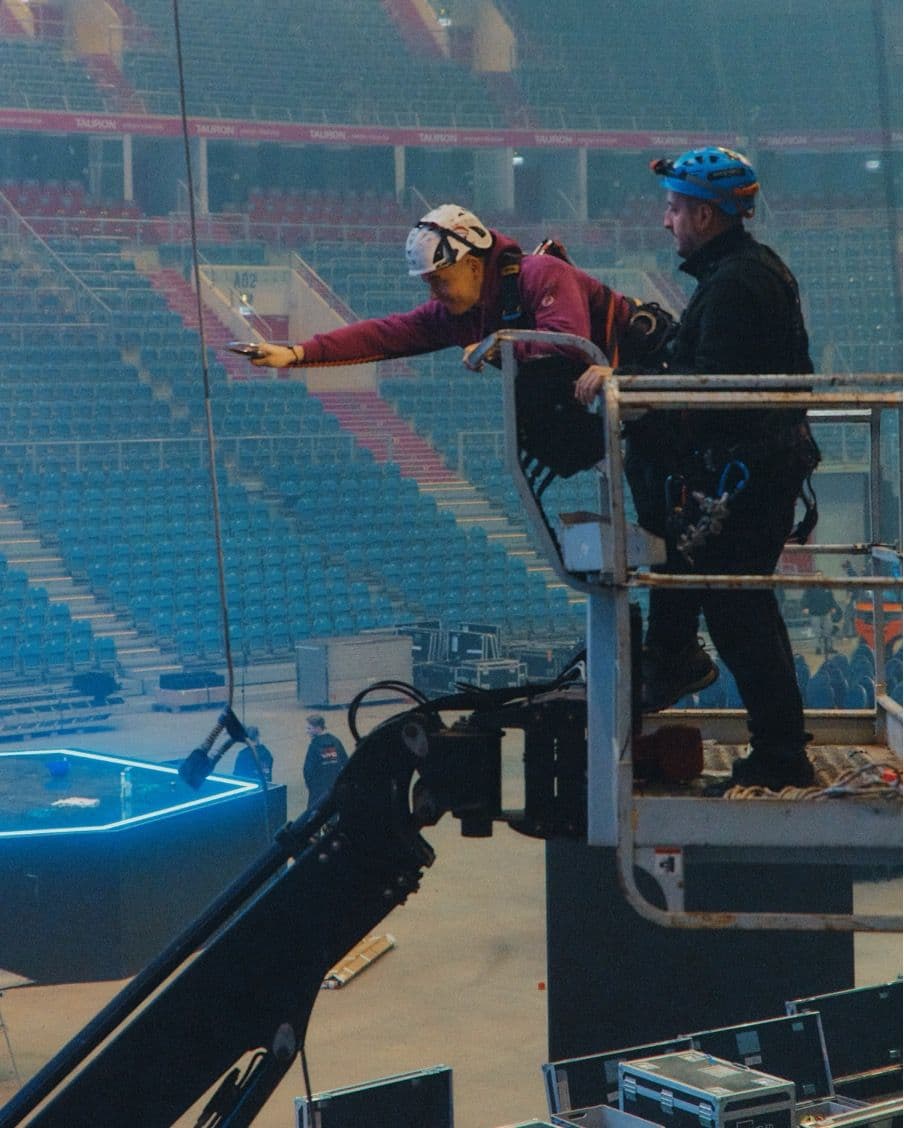
We provided a team of approximately 90 technical crew members responsible for operational support during build, live operation, and dismantle.
The team included stagehands, riggers, scaffolders, carpenters, technicians, drivers, and crew supporting both production and arena operations.
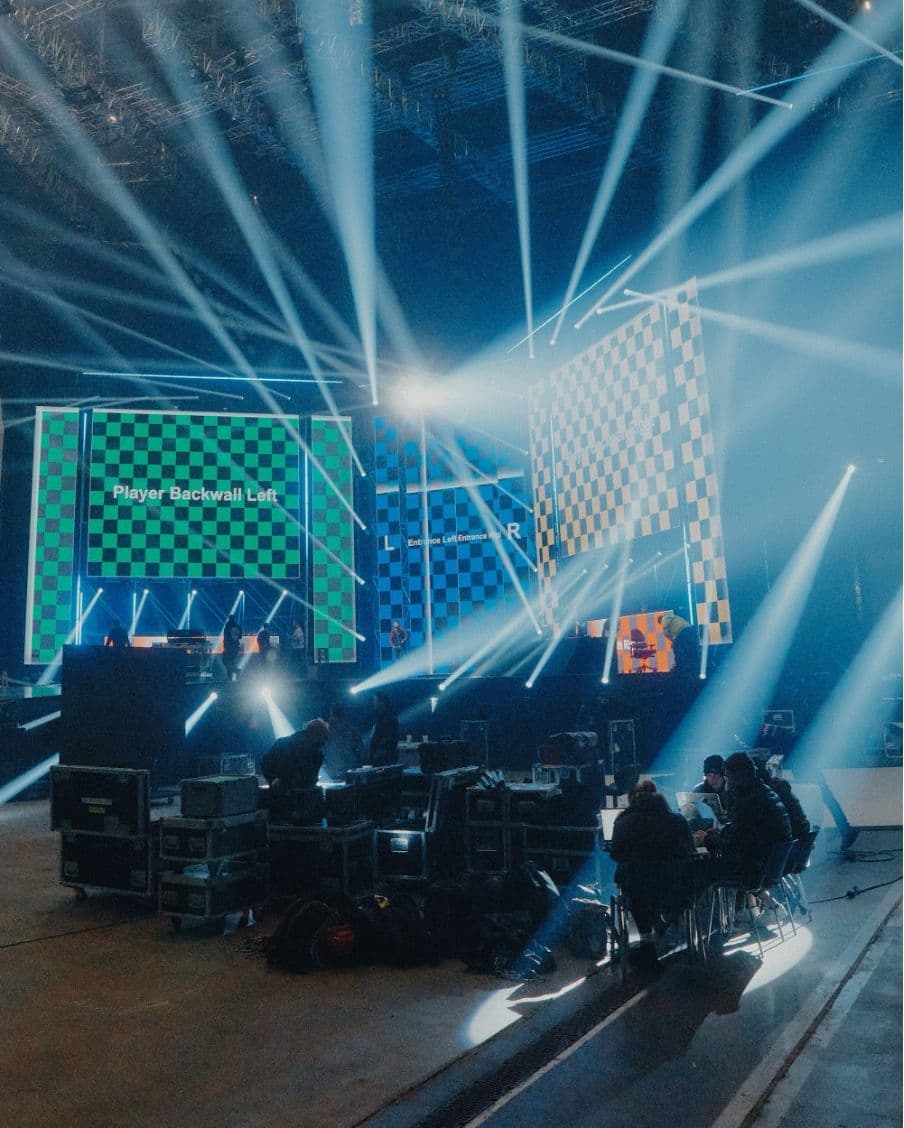
We worked in close coordination with the ESL production team and dlp-motive. Our role was to maintain workflow continuity, ensure precise sequencing of tasks, and support other vendors at critical points in the schedule.
The success of the project depended not only on the size of the team, but on the synchronization of all technical crews involved.
Key operational challenges
Moving the event to a new city required adapting logistics to a new venue. Every arena operates differently, with its own structural limitations, spatial layout, and internal logistics routes.
The technical scale of the event remained high, but the new venue introduced entirely different working conditions and organisational requirements. Multiple technical teams operated within the same spaces, making precise coordination and clear responsibility allocation essential.
The biggest challenge was the live broadcast schedule. The build had to be completed exactly on time to avoid disrupting rehearsals and technical testing before the event.
In projects like this, there is virtually no margin for error.
What made the delivery successful
Key factors included proper scaling of the team to match the project requirements and maintaining a clear communication structure. Everyone knew their responsibilities and reporting lines.
Both build and dismantle were completed according to schedule, with no delays affecting production or broadcast.
Despite the number of teams on site and the pace of work, all operations ran smoothly.
Why this project mattered
IEM Kraków 2026 demonstrated that international esports events require not only advanced stage design and broadcast technology, but above all a strong, experienced technical backbone.
Relocating the event to a new city increased both logistical and operational complexity. In such conditions, efficient organisation, team experience, and the ability to perform under time pressure are critical.